Sarah Nelson
January 08, 2026
Sarah Nelson
Water Quality Intern 1996 to 1997
Director of Research, AMC
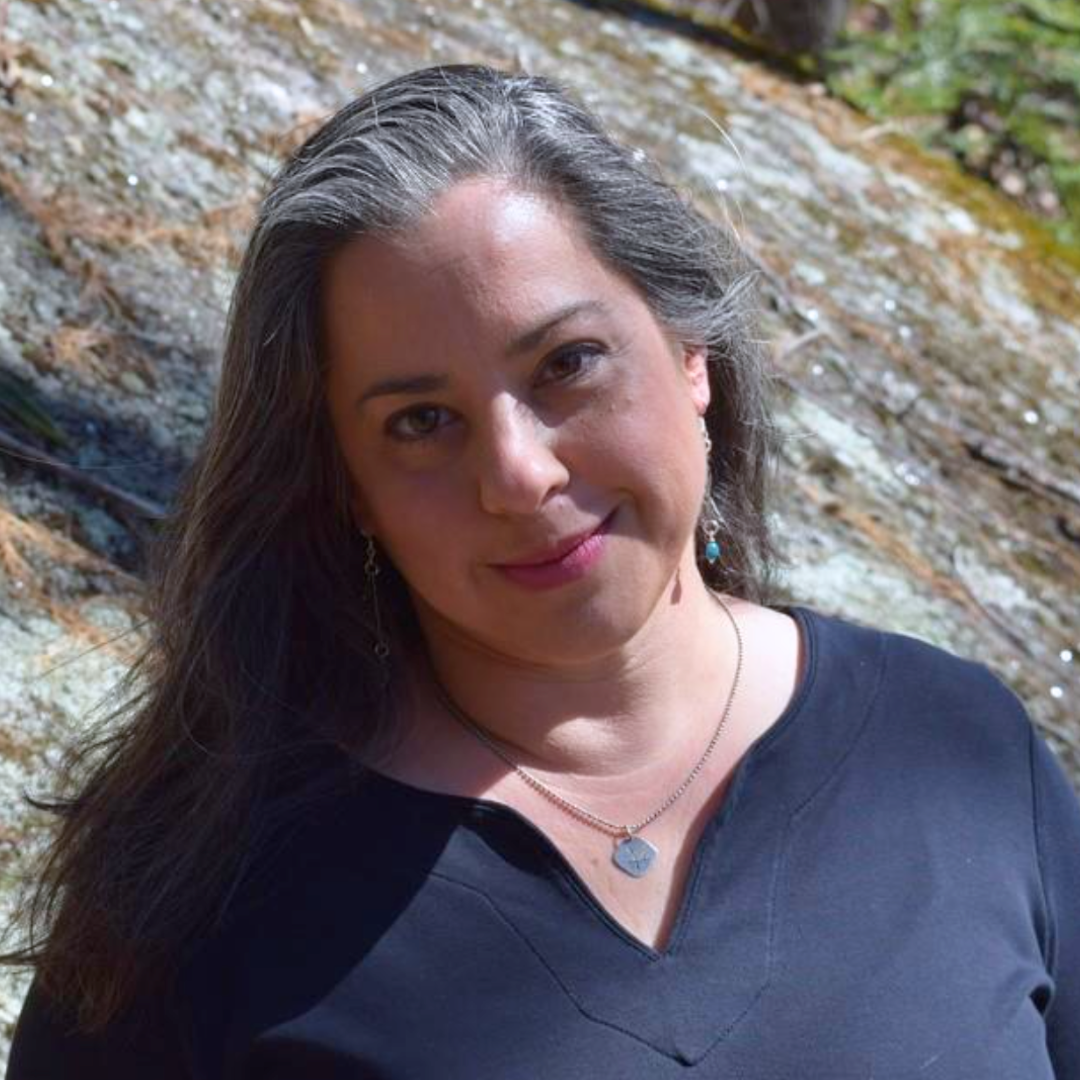
Sarah Nelson joined O.A.R. as a water quality intern for over a year between 1996–1997. Sarah tells us, “I got interested after starting to kayak on the Assabet River. I grew up in Berlin, and the river ran through town; I had the river guide and enjoyed paddling there after returning from college.” Inspired, she began to explore career paths in the field: “My grandmother’s neighbor was an environmental scientist and gave me some information about rivers and riparian areas, and I started to think about the possibility of environmental science jobs. I heard that O.A.R. needed water quality volunteers and decided to jump in and help with water quality monitoring. A couple of years later, I applied for graduate school at UMaine to study freshwater science.”
Sarah recalls a special collaborative project focused on mapping in the watershed while working with O.A.R. She says, “In addition to the water quality work, I also helped with a study about mapping vegetation that was part of US Geological Survey (USGS) remote sensing work. Several O.A.R. folks volunteered by mapping and sketching different aquatic vegetation types, in locations that USGS was assessing using satellite imagery to see what types of vegetation they could detect from space.” On her takeaways from this project, she says, “This really opened my eyes to spatial science and how remote sensing and field science could work together to improve our understanding of ecosystems.” Sarah shares her experience expanding on this work on the Sudbury River: “On the Sudbury, I also tagged along with some invasive plant work and learned about the types of plants that were problems, and how they could be removed. I fondly remember doing my first moonlight paddle on the Sudbury at one of their paddling events.”
Now, Sarah serves as the Director of Research with the Appalachian Mountain Club (AMC), and is working in the watershed again. She says, “I am so thrilled that things have come full circle. After focusing on stream, lake, and precipitation chemistry at Acadia and around the region in my graduate work, which centered on understanding how acid rain reduction helped to improve water quality, I now have a project working on mercury biogeochemistry in the Merrimack River Watershed, which includes all three OARS Rivers.” This notable monitoring effort is called The Merrimack-Dragonfly Mercury Project (DMP), a community science initiative led by the AMC. Sarah details, “In the project, we use dragonfly larvae to monitor mercury pollution, engaging youth and informing communities about environmental health, as part of a larger national partnership with the National Park Service, US Geological Survey, US Fish & Wildlife Service, and Dartmouth College, among others.” She shares, “A major goal of that project is getting people connected to the outdoors and biodiversity discovery, hopefully sparking their interest like my early work at O.A.R. did for me.”
While Sarah’s interest in water quality started with recreation and a kind neighbor, it is sustained by history, collaboration, progress, and connection. “As I’ve learned in the Merrimack-DMP, our history on the landscape has been so important in shaping these rivers. Partners at Lowell National Historical Park and the Tsongas Center for Industrial History are sharing their knowledge and expertise to help the science team understand the types of pollution that have been part of these rivers’ histories. Recently, we’ve seen some positive shifts in pollution reduction like the Clean Air Act Amendments, and in how people see rivers now as important bluespaces where we can reconnect with nature.” Her current work provides motivation as well, and an opportunity to inspire others, as she tells us, “AMC strives to inspire joyous, meaningful outdoor experiences, and in working with youth and volunteers around the watershed, I get to see that happen when we discover these rivers in our own backyards and don our wading boots to spend time in the water, discovering a new world under the surface.”