SuAsCo Climate Collaborative
A Watershed-Scale Response to Climate Change



Founded in 2026, the SuAsCo Climate Collaborative is a voluntary partnership of 36 watershed communities working together to address climate change at the scale water actually moves.
Next Community Meeting: Wednesday, November 4, 6:30-8:00pm
Boxborough Town Hall – Scroll for more details!
Water does not follow political or municipal boundaries. Flooding, heat, infrastructure stress, and ecosystem impacts move across the landscape and across town lines. The Collaborative takes a watershed-based approach to climate adaptation, focusing on:

Precipitation-driven Flooding
Route 20 and 126 interection in Wayland, MA (March 31, 2010)
Standing water at this major intersection illustrates how precipitation-driven flooding can overwhelm local infrastructure during intense storm events.
Extreme Heat
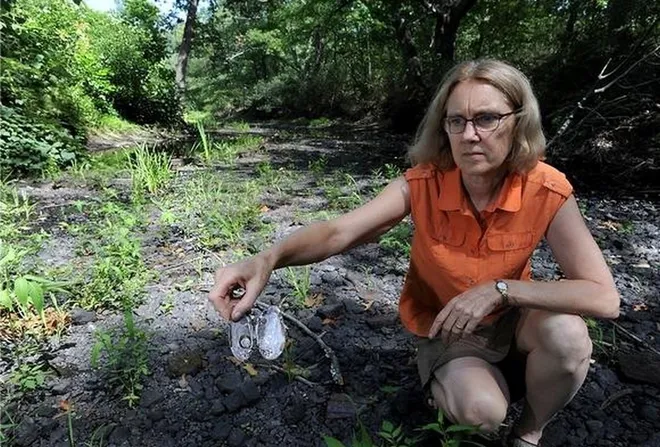
Nashoba Brook, Concord, MA (August 2016)
Alison Field-Juma holds a freshwater mussel shell in the normally roaring Nashoba Brook, which flows into the Assabet River. Photo Credit: Art Illman
Aging Infrastructure
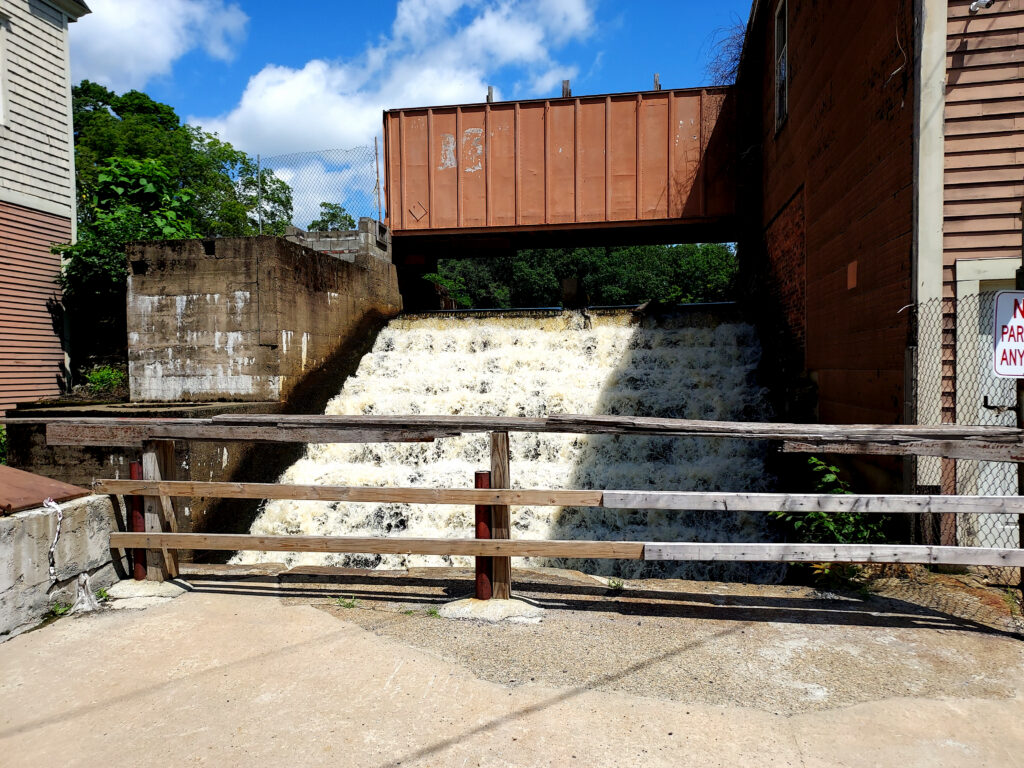
Main Street Dam, Hudson, MA (June 2024)
Aging infrastructure across Massachusetts faces increasing stress from more intense rainfall and shifting climate patterns
Ecosystem Health
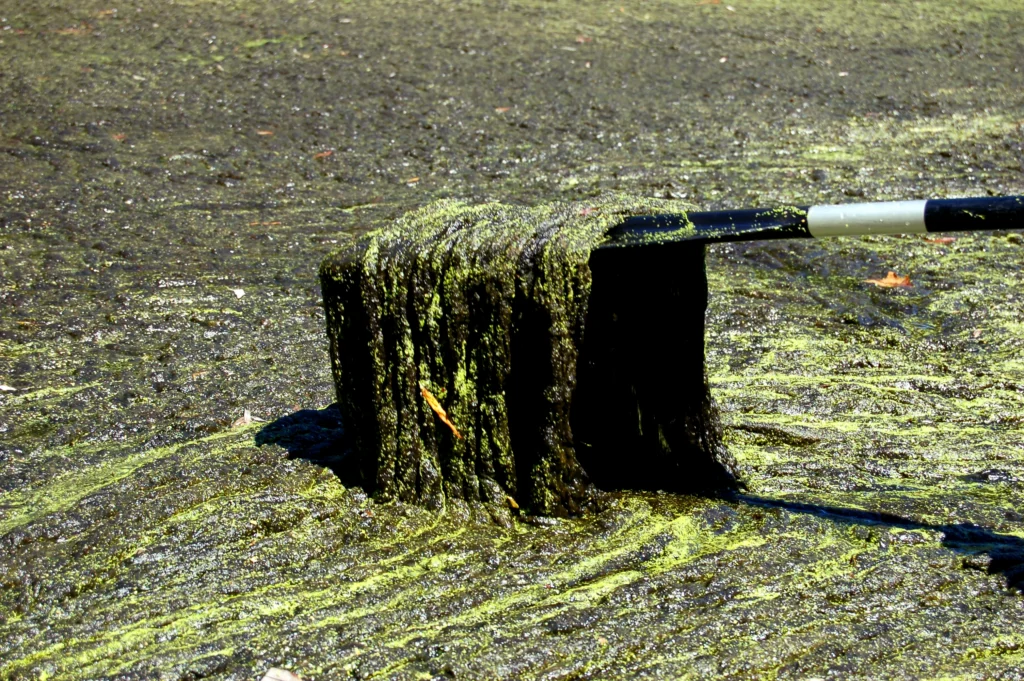
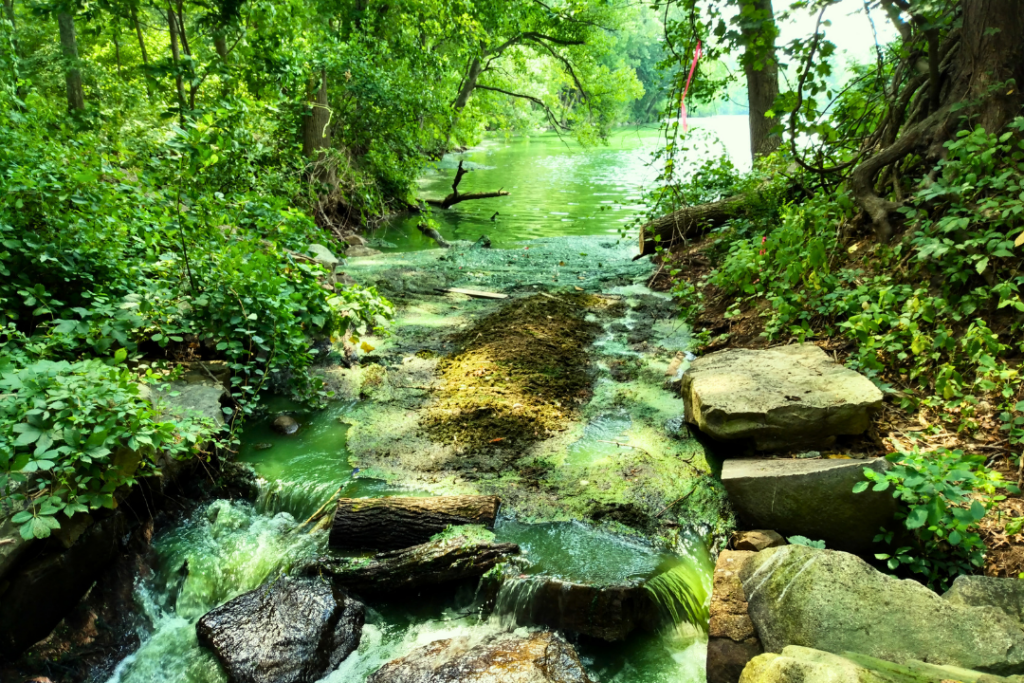
Sudbury, Assabet & Concord rivers watershed
Excess nutrients and warming temperatures can contribute to dense plant growth, such as duckweed, which can reduce oxygen levels and stress aquatic ecosystems.
Community Resilience
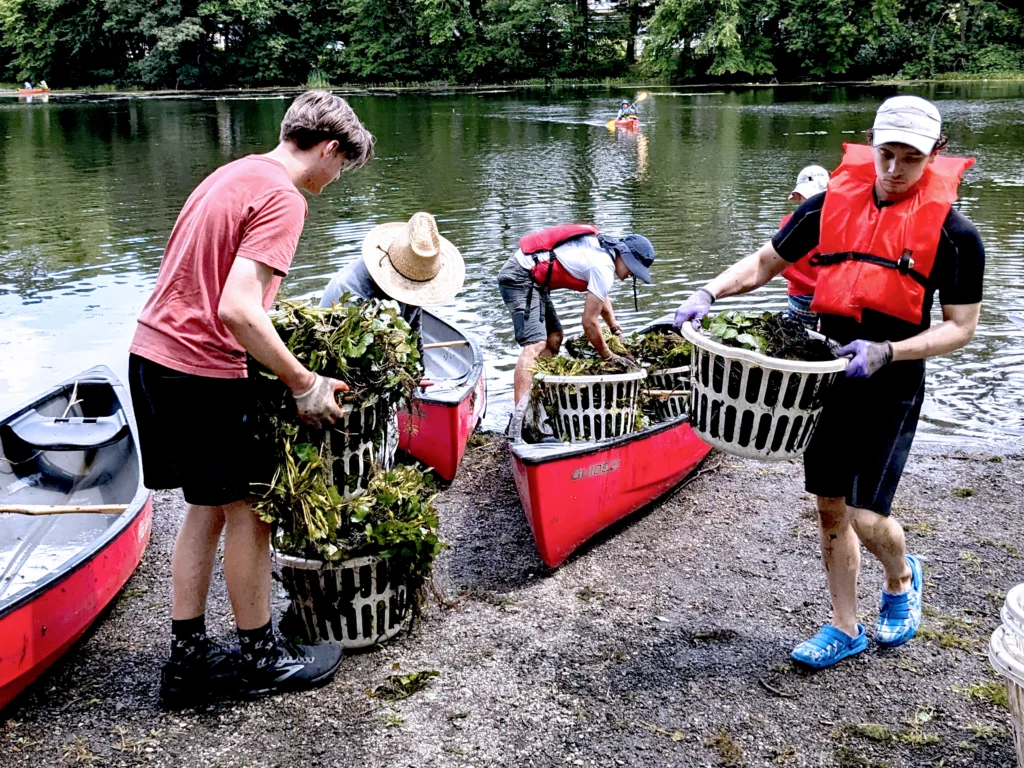
Community water chestnut removal, Ice House Pond, Acton, MA (July 2024)
Volunteers remove invasive water chestnut to protect native habitat, improve water quality, and support long-term ecosystem health.


This is a two-year regional initiative, with the goal of establishing a long-term framework for coordinated climate resilience across the SuAsCo watershed.
Why a Regional Approach?

Climate change does not recognize municipal boundaries, and our response should not either.
Across Massachusetts, cities and towns are stepping up to prepare for more intense storms, flash floods, extreme heat, and shifting seasonal patterns. But no single community can fully address these challenges alone.
Regional collaboration allows communities to:
- Share data and technical tools
- Coordinate infrastructure planning
- Strengthen grant competitiveness
- Align resilience priorities
- Protect shared water resources
By working together, the 36 communities of the SuAsCo watershed can build resilience more effectively and more equitably.
About the SuAsCo Watershed
- 399 square miles
- 36 municipalities
- 83.7 miles of rivers, streams, and ponds
- 29 miles of federally designated Wild & Scenic rivers
- Approximately ~732,000 residents
- Four Regional Planning Agencies (RPAs)
Not sure if you’re in the SuAsCo watershed?
Our watershed includes, in whole or in part:
Acton, Ashland, Bedford, Berlin, Billerica, Bolton, Boxborough, Boylston, Carlisle, Chelmsford, Clinton, Concord, Framingham, Grafton, Harvard, Holliston, Hopkinton, Hudson, Lincoln, Littleton, Lowell, Marlborough, Maynard, Natick, Northborough, Sherborn, Shrewsbury, Southborough, Stow, Sudbury, Tewksbury, Upton, Wayland, Westborough, Westford, and Weston.
Regional Planning Agencies in the Watershed

RPAs help cities and towns collaborate across municipal boundaries on transportation, land use, housing, economic development, and climate resilience.
WHAT CLIMATE CHANGE MEANS FOR THE SUASCO WATERSHED
Flash Floods & Flash Droughts
Historic precipitation patterns once brought smaller amounts of rain and snow roughly every three days. Today, more precipitation falls in intense bursts, winter Nor’easters, summer thunderstorms, and hurricanes, followed by longer dry periods.
This shifting precipitation pattern is already affecting communities across the watershed:
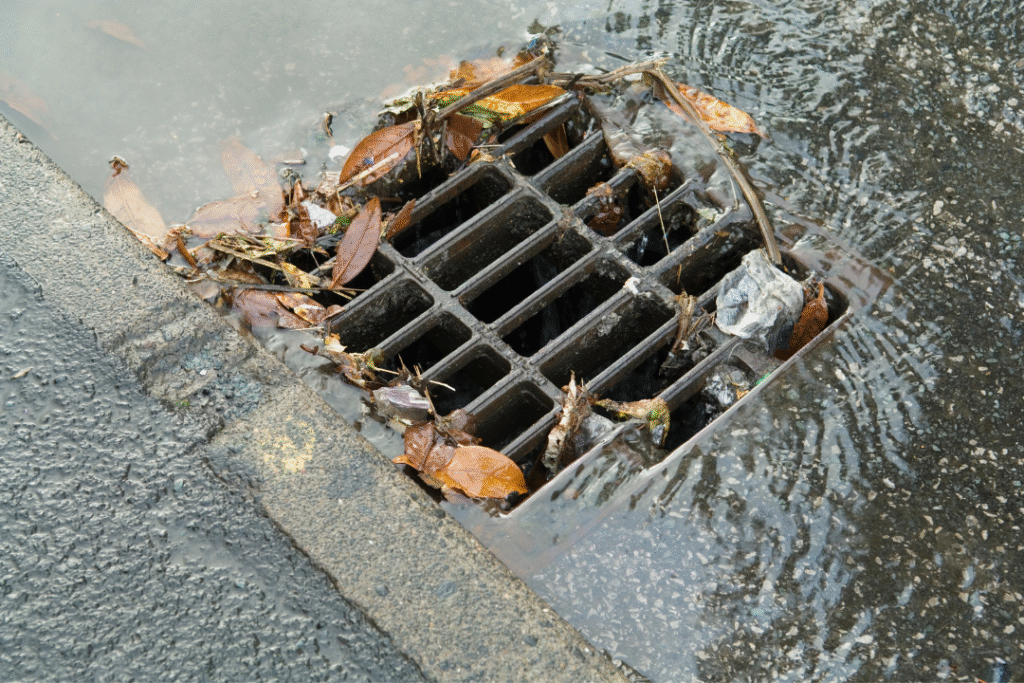
Overwhelmed stormwater systems
Flooded drains and undersized infrastructure struggle to manage intense rainfall
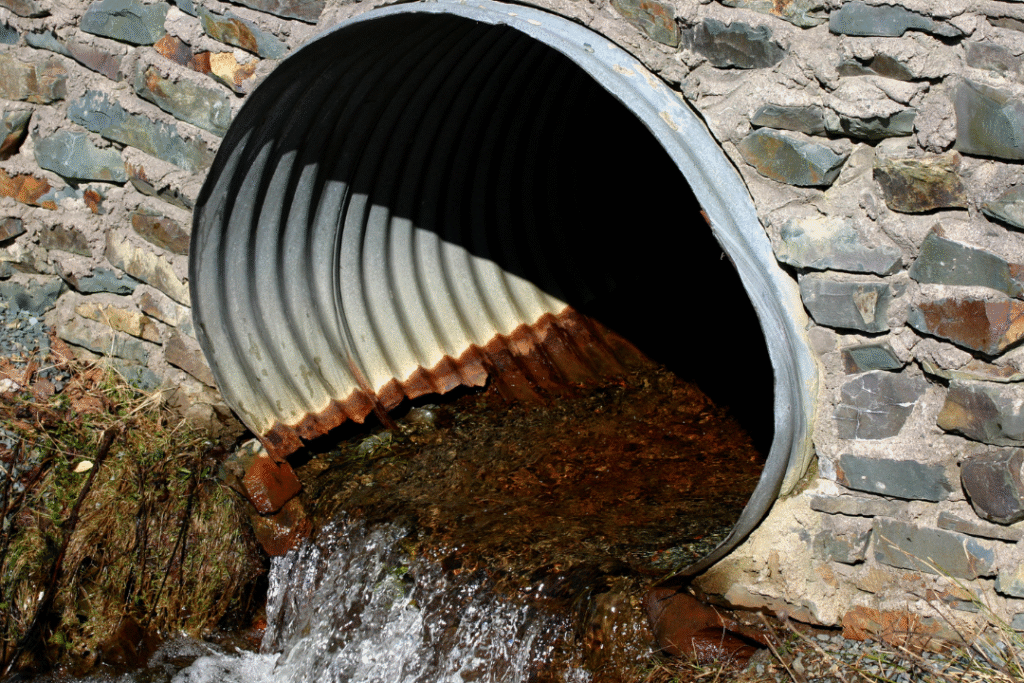
Stressed culverts and road-stream crossings
Aging crossings face increased failure risk during high-flow events
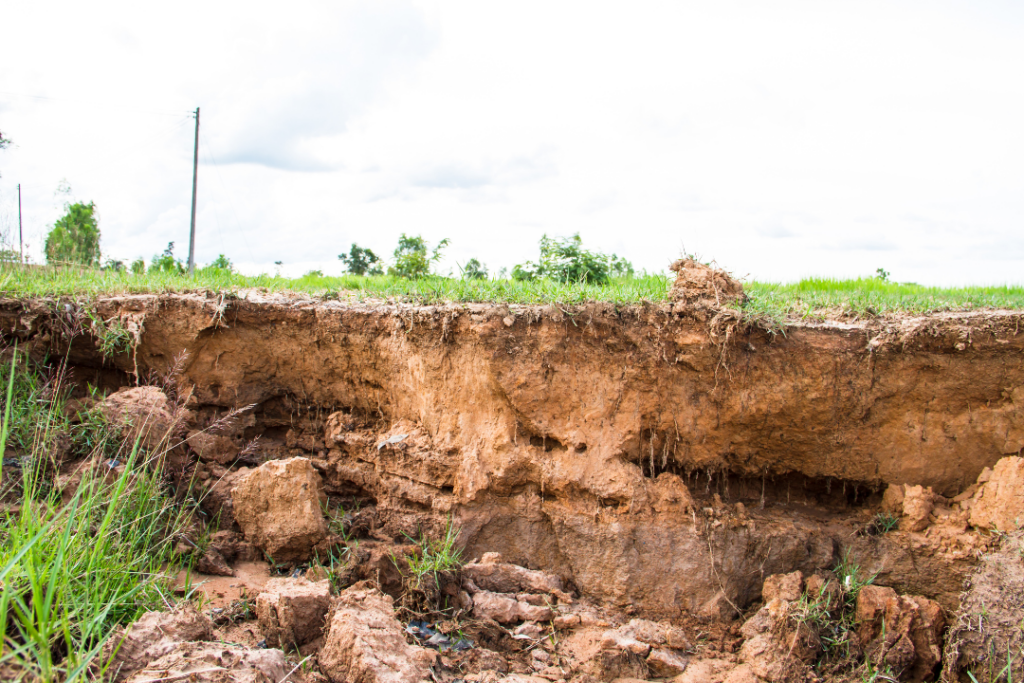
Accelerated erosion
Stronger storm flows destabilize streambanks and wash sediment downstream
Degraded water quality
Stormwater runoff carries pollutants, nutrients, and sediment into rivers and ponds
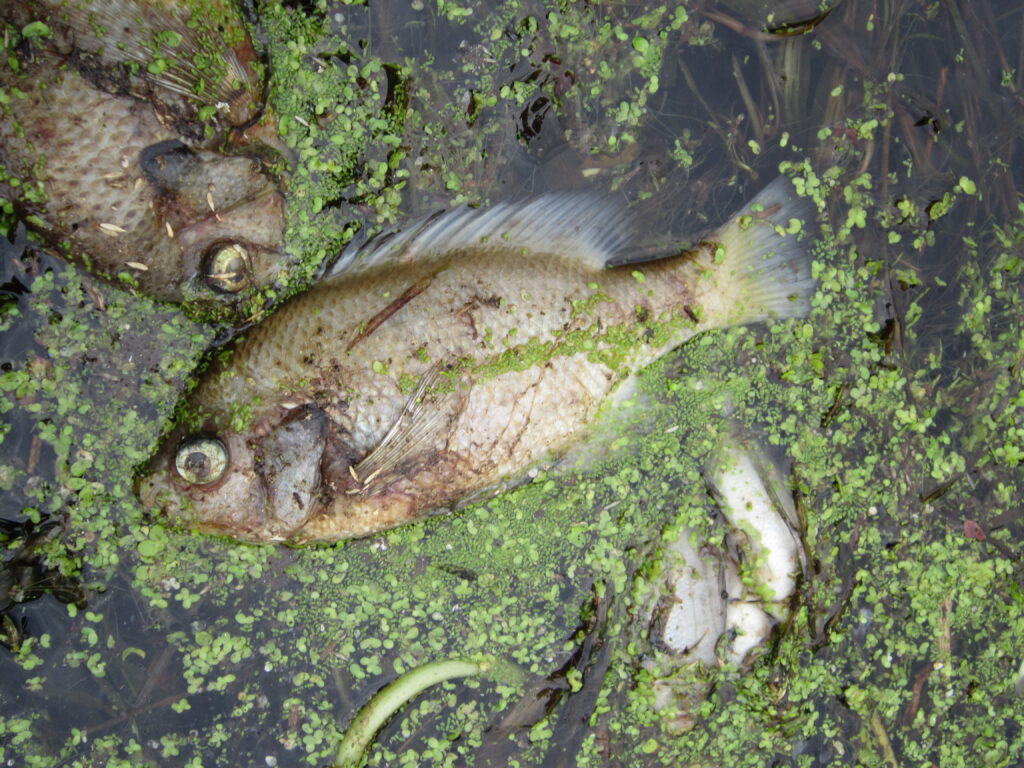
Strained aquatic ecosystems
Rapid flow changes and warming waters disrupt habitat and can contribute to fish stress or mortality
Our Climate Is Shifting South

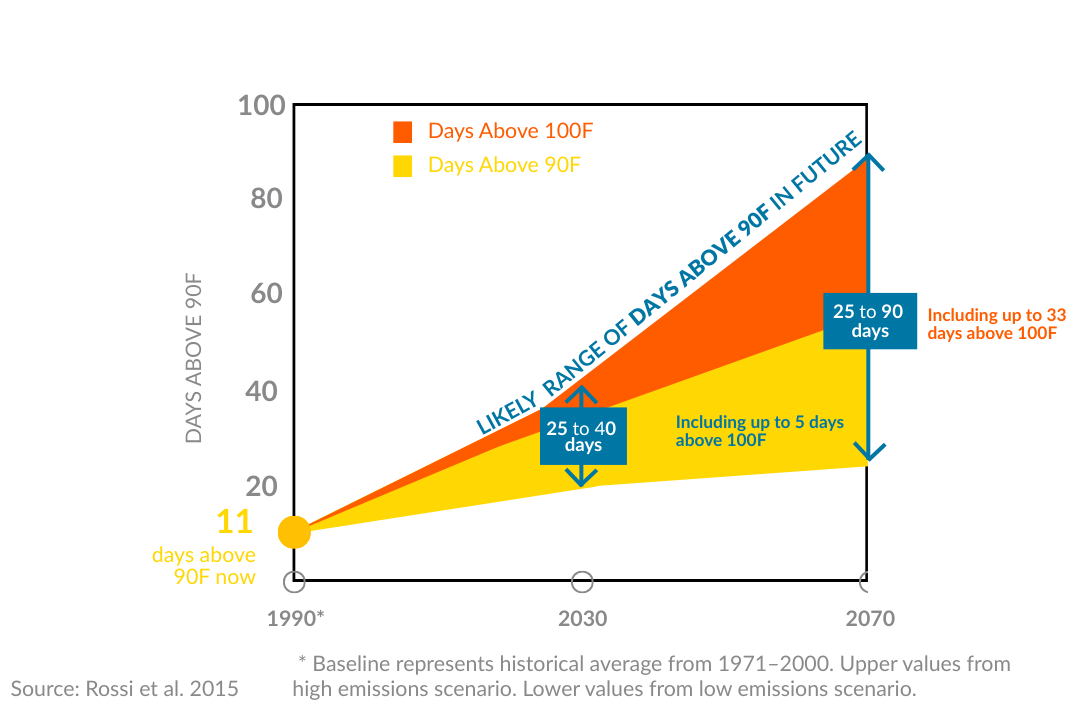 The number of days above 90°F has doubled since 1990 and is projected to double again by mid-century.
By 2050, Greater Boston summers may resemble historic Washington, DC conditions. By late century, they may feel more like historic Birmingham, Alabama.
Extreme heat affects:
-
- Public health
- Energy systems
-
- Outdoor workers
- Seniors and vulnerable residents
- Aquatic ecosystems
Risk Multipliers
Climate-driven extreme weather amplifies existing vulnerabilities.
Wind, heat, and heavy rainfall increase risks to:
- Aging infrastructure
- Flood-prone neighborhoods
- Low-income households
- Environmental Justice communities
- Private well users
- Seniors and mobility-challenged residents
Regional planning allows us to identify shared risks and address them before they become crises.
Project Goals
The SuAsCo Climate Collaborative is working to build regional capacity around climate resilience and water resource management across the watershed. By fostering productive relationships among municipalities, community-based organizations, state agencies, and residents, the Collaborative seeks to assess shared regional needs and identify opportunities to leverage funding and resources more effectively. Through coordinated planning, improved communication, and increased education and engagement, this effort aims to strengthen climate resilience across the Sudbury, Assabet, and Concord rivers watershed.
Project Outcomes
Build Collaborative Capacity
- Establish cross-municipal relationships
- Develop an operational framework and regional workplan
Conduct a Regional Vulnerability Assessment
- Develop a scope of work
- Assess vulnerabilities of critical infrastructure and assets
Identify Regional Resilience Priorities & Data Needs
- Collaboratively define shared priorities
- Identify data gaps
- Conduct analysis and modeling to support effective implementation
Regional-Scale Actions
A watershed-scale approach enables:
Enhancing Regional Coordination
Unified strategy across municipalities and organizations.
Protecting Critical Infrastructure
Prioritizing culverts, drainage systems, wastewater facilities, and flood-prone assets.
Data-Driven Decision-Making
Shared modeling and analysis tools to guide investments and grant applications.
Proactive Adaptation
Addressing vulnerabilities before they escalate into costly emergencies.
Equity & Inclusion
Ensuring Environmental Justice communities and vulnerable populations are centered in resilience planning.
Current Progress
Timeline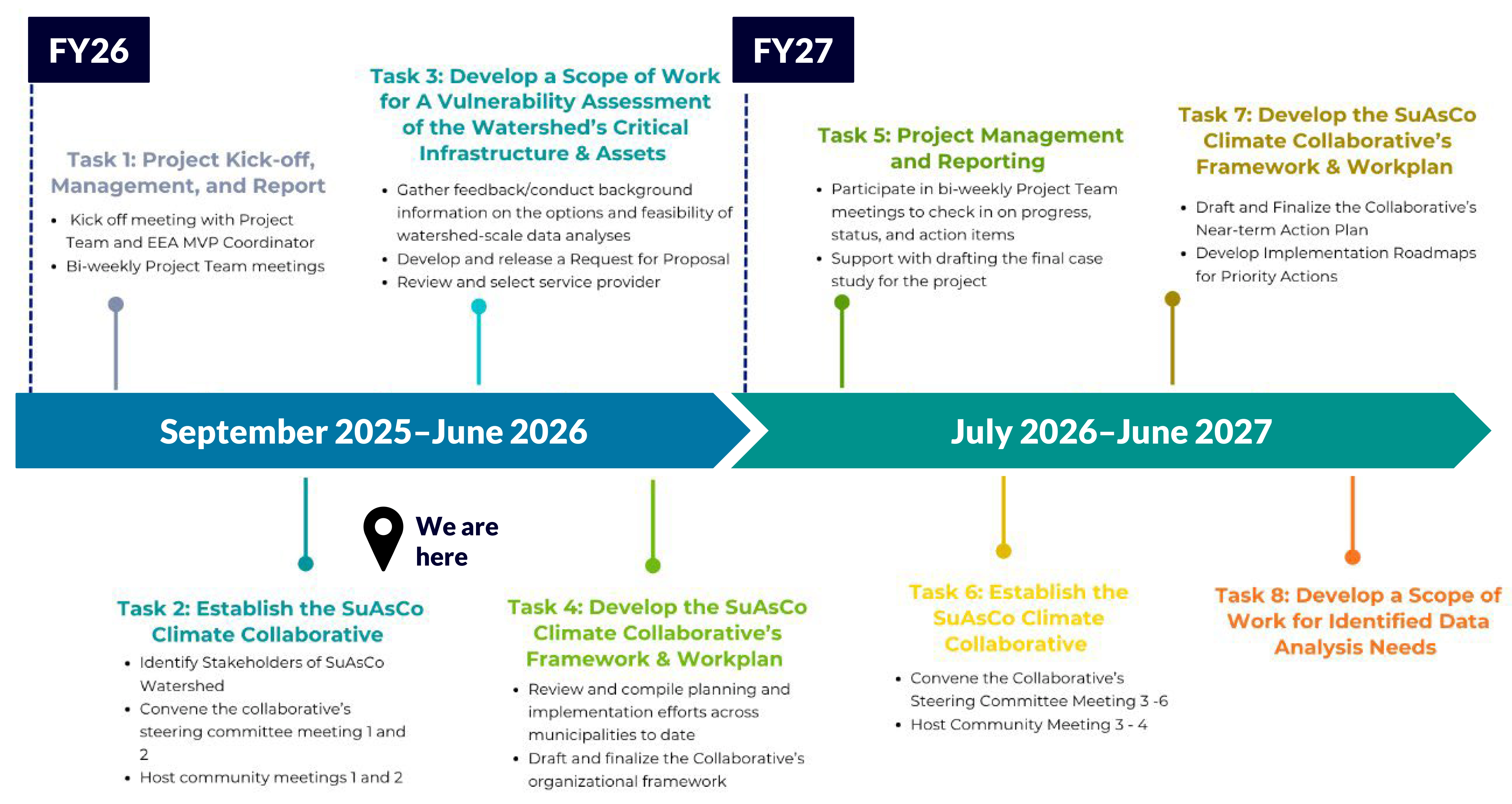
Community Meetings
|
Steering Committee (Launching February 2026)
|
Focus Groups (Completed)
|
More details coming soon.
Community Meetings
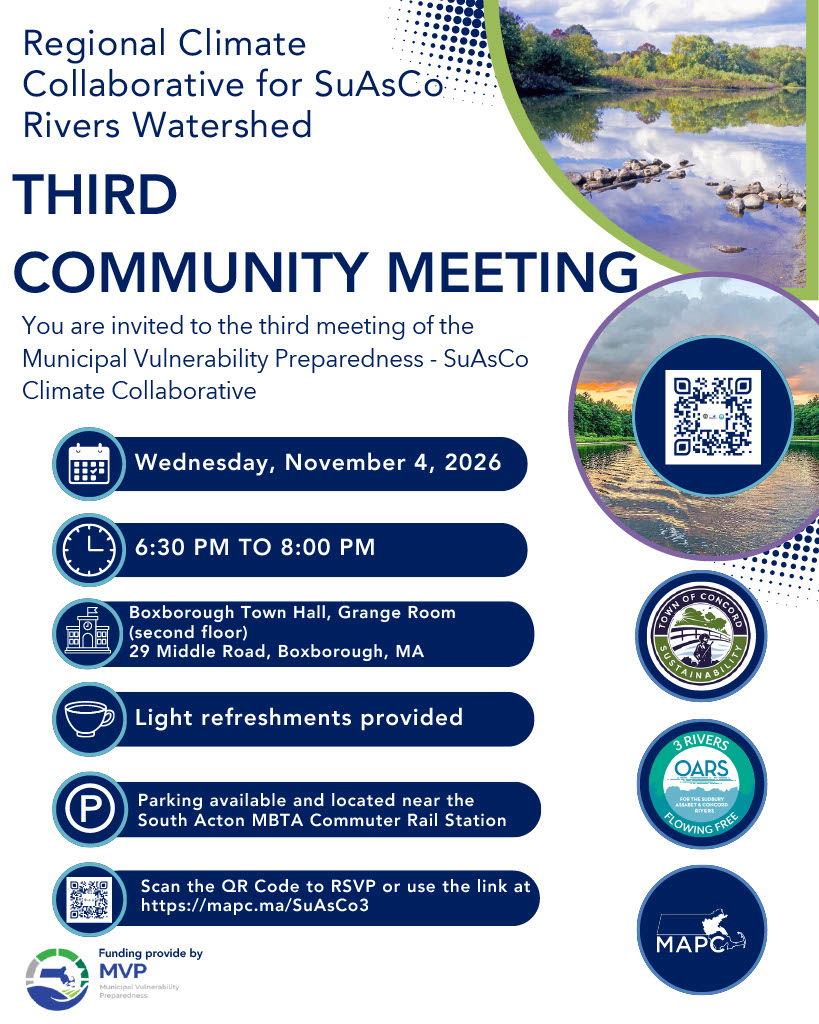
Third Community Meeting on November 4, 2026
Our next Community Meeting will take place on Wednesday, November 4 from 6:30-8:00 pm at the Boxborough Town Hall.
We’ll share what we have accomplished in Year 1 and provide updates on the climate vulnerability assessment now underway. We’ll also introduce our crowdsourcing map and show you how to contribute local knowledge to help inform the assessment. Join us to hear what’s happening, share your ideas, and help shape the work ahead!
Regional Climate Collaborative for SuAsCo Rivers Watershed Community Kick-Off Meeting
The first meeting of the Municipal Vulnerability Preparedness—SuAsCo Climate Collaborative, serving the Sudbury, Assabet, and Concord rivers watershed, took place on March 25, 2026 at the Harvey Wheeler Community Center in Concord, MA.
The meeting brought together about 45 participants from across the watershed and set a strong, engaged tone for this regional effort. The discussion was wide-ranging, with participants asking thoughtful questions and sharing ideas that will help shape the collaborative’s workplan in the months ahead.
Overall, the meeting reflected a high level of engagement and a shared commitment to working together toward meaningful, lasting impact across the SuAsCo watershed. Read the full meeting summary by clicking the following link: Insights from the First SuAsCo Climate Collaborative Community Meeting – OARS
A PDF of the meeting presentation is also available for those who’d like to take a closer look at the material that was shared. Click the button below!
Community Kick-off meeting slides (PDF)
Key Takeaways from Engagement
Across focus groups and early engagement, several themes emerged:
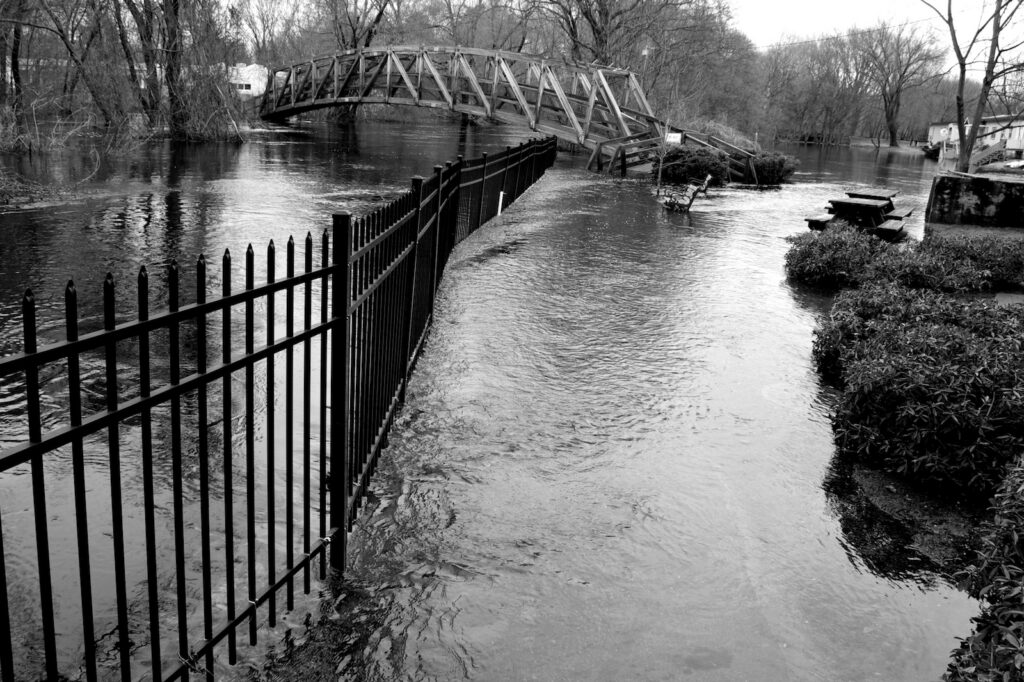
Flooding Is the Dominant, Unifying Concern
Flooding is seen as a public safety issue, infrastructure challenge, and watershed-scale problem.
Photo: Nashoba Brook, Concord, MA (December, 2023).High-intensity rainfall led to widespread flooding as the brook exceed its channel capacity.
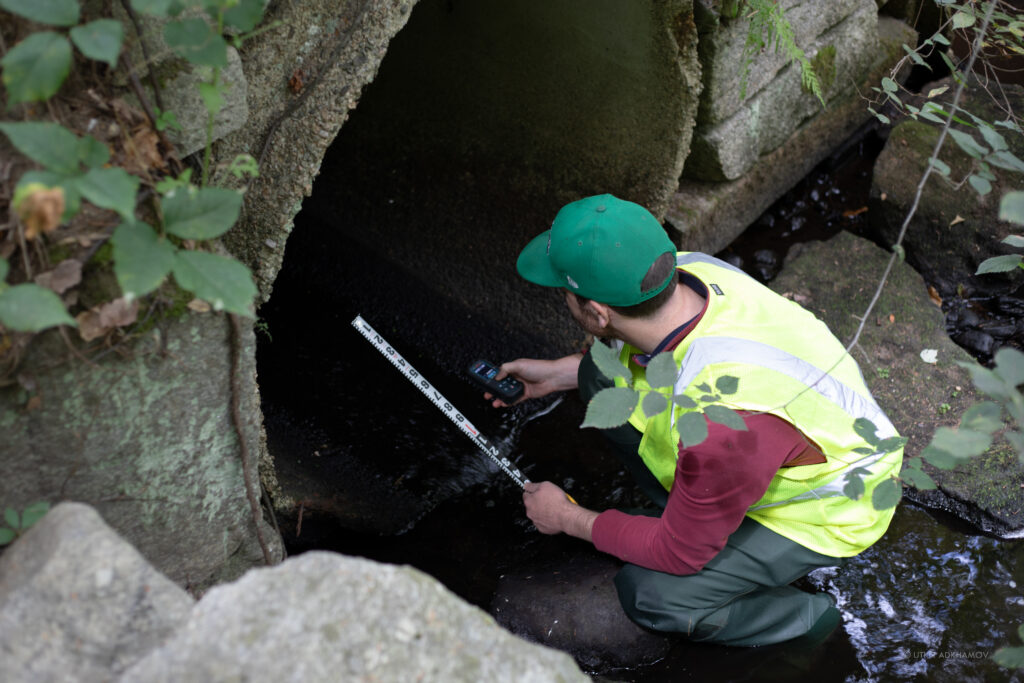
Aging Infrastructure + Climate Change = Compounding Risk
Culverts, drainage systems, wastewater facilities, and flood-prone assets are increasingly vulnerable.
Photo: A trainee completes certification in culvert assessment, building regional expertise to evaluate infrastructure and reduce flood risk

Funding Is a Major Barrier
Communities face:
- Limited stormwater enterprise funding
- Rising infrastructure costs
- Permitting challenges
- Staff capacity limitations
- Heavy reliance on competitive grants

Strong Demand for Watershed-Scale Data
Communities need modeling tools and shared data to support decisions and improve grant competitiveness.
Vulnerable Populations Are Not Being Reached Effectively
Engagement must improve for:
- Environmental Justice communities
- Seniors
- Low-income households
- Immigrant and ESL residents
- Rural residents and private well users
Project Partners
Lead Partners

Supported by a municipal vulnerability preparedness (MVP) action grant awarded to the Town of Concord
The project aims to advance regional climate adaptation efforts to help communities throughout the SuAsCo watershed stay safe and healthy as the climate changes
Additional Participation
- Ten Steering Committee partners (municipal, CBO, youth)
- Community-based organizations
- Environmental Justice members and organizations
Join the Collaborative
Interested in participating?
Contact:
Heather Conkerton
Ecological Restoration Manager
OARS 3 Rivers