Culverts
What is a culvert?



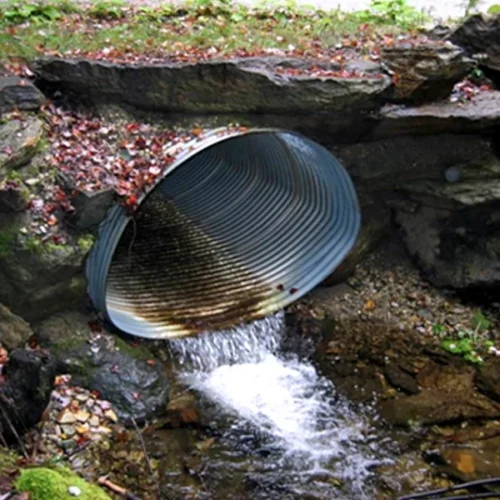
Culverts are small pieces of infrastructure with big impacts on rivers, roads, and communities. These structures carry streams under roads, railways, and trails, allowing water to continue flowing downstream while maintaining safe transportation routes above. Across the Sudbury, Assabet, and Concord (SuAsCo) watershed, thousands of culverts quietly move water beneath our infrastructure every day.
When they function well, culverts protect roads from flooding and allow rivers, fish, and wildlife to move naturally through the landscape. However, many culverts in our watershed were installed decades ago, before modern engineering standards and before the impacts of climate change were widely understood. When culverts do not function properly and cannot move an increased volume of water, such as during flood events, communities and infrastructure may be at risk.
Why Culverts Matter
Culverts are one of the most common ways streams intersect with infrastructure. Because they control how water moves across the landscape, their design and condition directly affect:
-
Flooding and stormwater management
-
Road and infrastructure safety
-
Stream stability and erosion
-
Fish and wildlife movement
-
Overall watershed health
A well-designed culvert allows a stream to flow naturally beneath a road or trail. But when culverts are too small, poorly installed, or deteriorating, they can create major problems.
Culverts and Climate Change

Culverts and River Connectivity
Our Approach
There are approximately 2,400 culverts in the SuAsCo watershed, and only around 400 have been assessed. Many crossings still need to be evaluated to understand their condition, flooding risk, and ecological impacts.
Building on Our Early Culvert Work
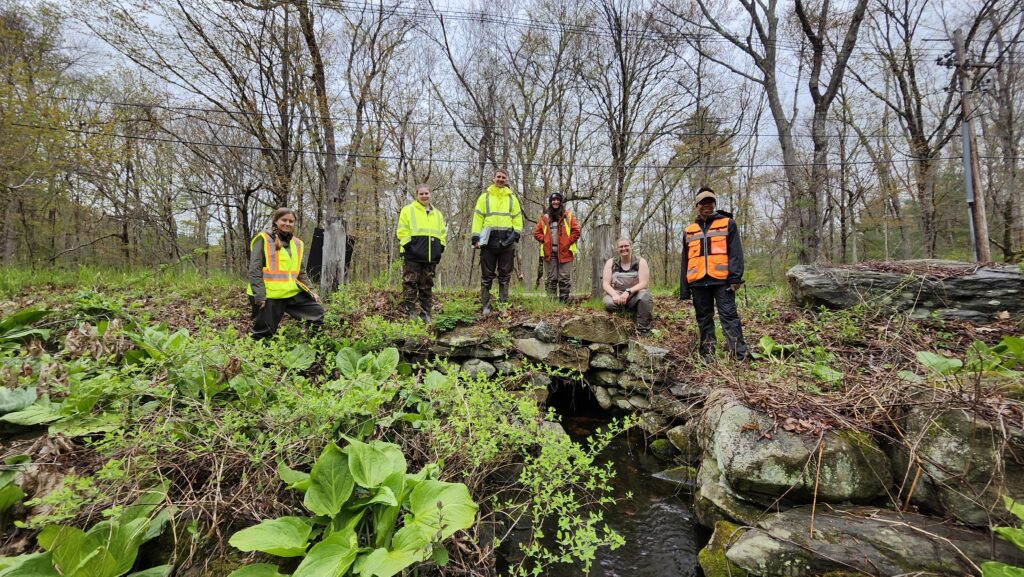
OARS first began looking closely at culverts in 2010, when volunteers conducted stream crossing surveys in the Nashoba Brook and Fort Pond Brook subwatersheds. During that effort, volunteers assessed more than 60 crossings to identify potential barriers to fish and wildlife movement and to better understand how road-stream crossings were affecting local waterways. The assessments showed that many crossings functioned as partial or significant barriers, highlighting the need for improved culvert design and replacement, and laying the groundwork for more comprehensive watershed-scale assessments.
Today, we are building on that original effort and expanding our culvert assessment program across the entire SuAsCo watershed.
Expanding Culvert Assessments across the Watershed
OARS is working to expand culvert assessments to better understand infrastructure vulnerabilities and support climate resilience planning for communities throughout the watershed.
This work helps towns and cities:
-
Identify culverts that pose flood risks
-
Prioritize infrastructure upgrades
-
Support grant applications for culvert replacement
-
Improve stormwater resilience
-
Restore stream connectivity
Because water flows across municipal boundaries, assessing culverts at a watershed scale allows us to identify patterns and prioritize projects where they will have the greatest impact.
How We Assess Culverts
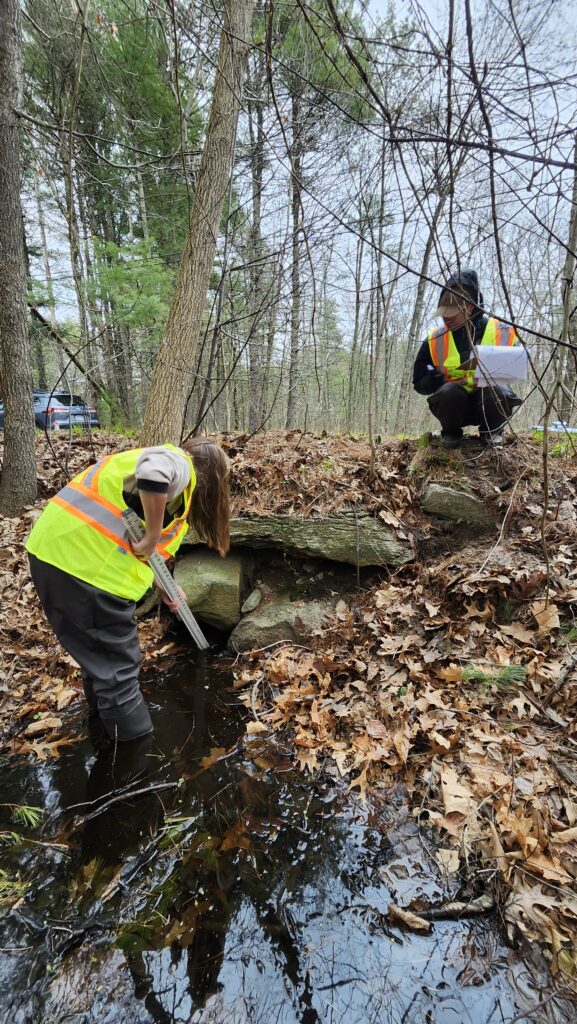
OARS uses standardized assessment protocols developed by the North Atlantic Aquatic Connectivity Collaborative, now part of the National Aquatic Connectivity Collaborative (NACC).
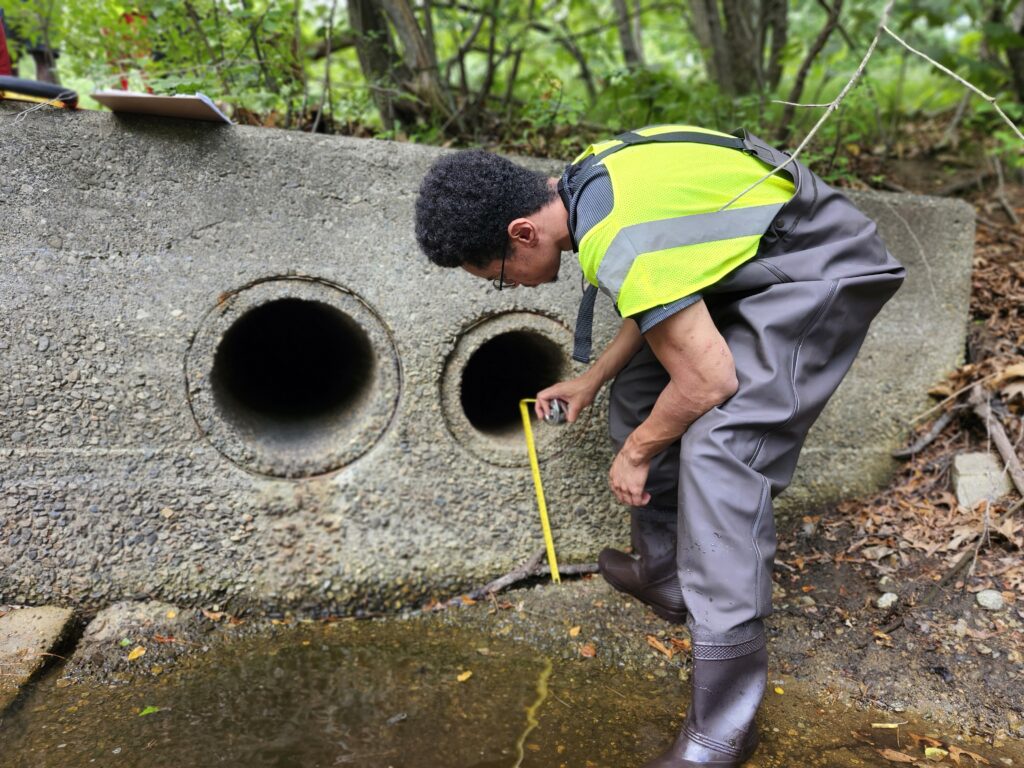
These assessments collect detailed information about each culvert, including:
-
Structure size and shape
-
Stream width and flow conditions
-
Evidence of flooding or erosion
-
Whether the culvert blocks fish and wildlife movement
-
Structural condition of the crossing
The data helps determine whether a culvert is adequately sized, a minor barrier, a moderate barrier, or a severe barrier. This information can then be used by municipalities, engineers, and state agencies to prioritize replacement or redesign projects.
Get Involved
Culvert Assessment Training
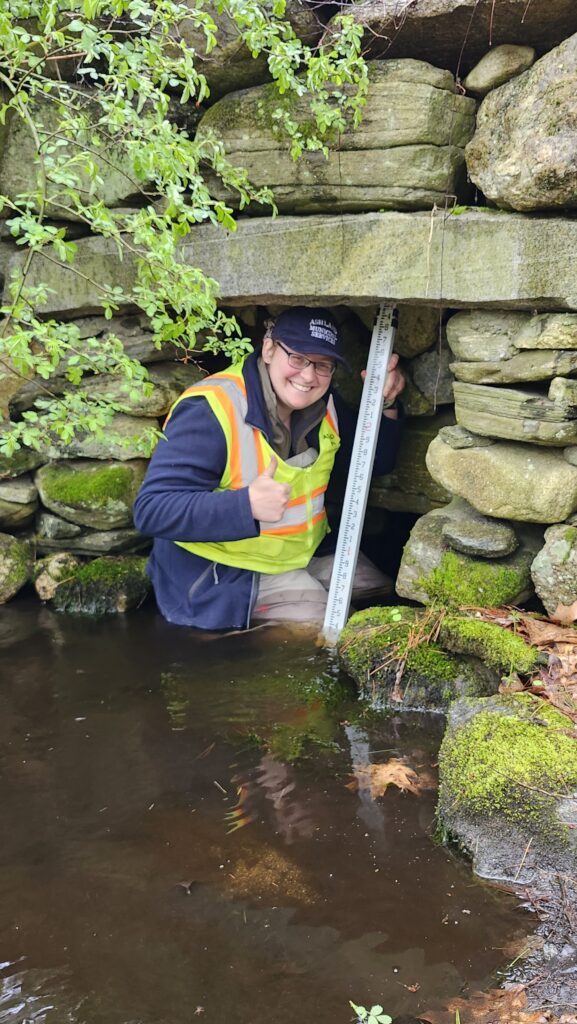
OARS hosts Culvert Assessment Training where volunteers and municipal staff can become certified to assess culverts using NAACC protocols. Participants learn how to evaluate road-stream crossings for flood resilience, infrastructure condition, and aquatic connectivity, contributing valuable data to support local and regional climate resilience efforts. This is a great opportunity to build field skills, support your community, and play a direct role in improving watershed health.
Want to learn more? Email OARS Ecological Restoration Manager Heather Conkerton at ecorest@oars3rivers.org to inquire about a training.
Culvert assessments will also play an important role in the SuAsCo Climate Collaborative, a regional effort to strengthen climate resilience across the watershed.